
Measurement of weights
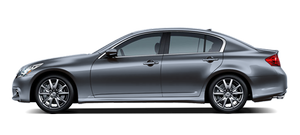
Secure loose items to prevent weight shifts that could affect the balance of your vehicle. When the vehicle is loaded, drive to a scale and weigh the front and the rear wheels separately to determine axle loads. Individual axle loads should not exceed either of the gross axle weight ratings (GAWR). The total of the axle loads should not exceed the gross vehicle weight rating (GVWR).
These ratings are given on the vehicle certification label. If weight ratings are exceeded, move or remove items to bring all weights below the ratings.
See also:
Cup holders
CAUTION
Do not recline the rear seatback when you use the cup holders on the rear armrest.
Doing so may cause the beverages to spill over, and if they are hot, they may scald the passengers. ...
Front
To open the ashtray lid, push the lid down and release it 1 .
To empty the ashtray, pull out 2 .
The cigarette lighter operates when the ignition switch is in the ON position.
Push the lighter in a ...
Remote Engine Start (if so equipped)
The button will be on the
INFINITI Intelligent Key if the vehicle has remote engine start.
This feature allows the engine to start from outside the vehicle.
The following features may be af ...